March 13, 2026
Heat pumps are increasingly being recognized as efficient alternatives to traditional heating and cooling systems due to their dual functionality. This shift in adoption is influenced by a mixture of market trends, energy policies, and consumer preferences leaning towards sustainability. Let's take a closer look at why heat pumps are becoming so popular in American homes.
Understanding Heat Pumps
What Are Heat Pumps?
Heat pumps are devices that transfer heat energy from a source to a destination, known as the "heat sink." Unlike traditional HVAC systems, they can both heat and cool buildings, offering a two-in-one solution. The fundamental principle of heat pumps involves moving thermal energy in a controlled manner to maximize comfort and efficiency. They are gaining prominence due to their efficiency and environmental benefits tailored to modern-day energy demands. As more households seek greener solutions, the implementation of heat pumps increases due to their reduced dependency on fossil fuels.
Types of Heat Pumps
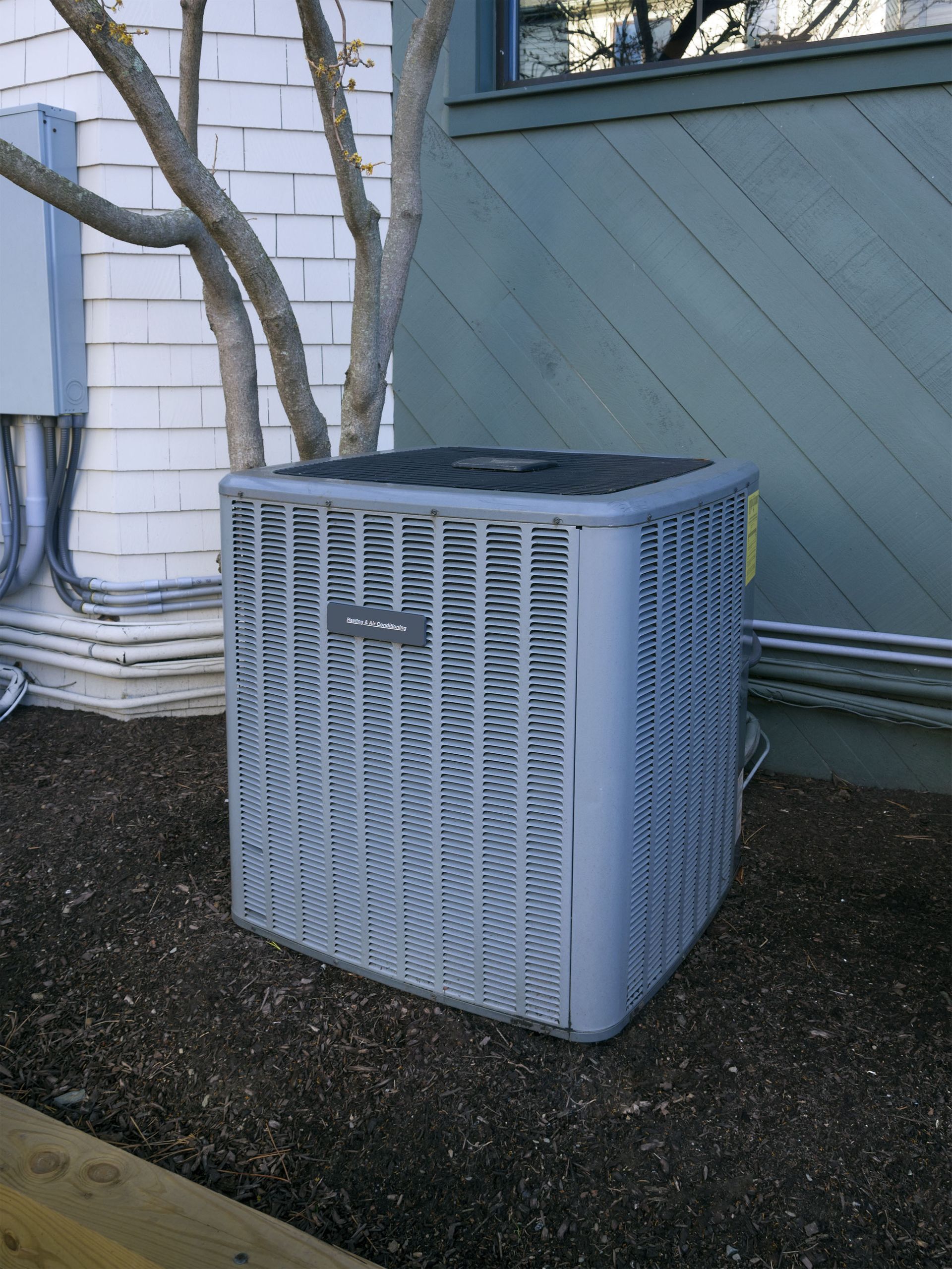
There are primarily three types of heat pumps: air-source, ground-source (also known as geothermal), and water-source. Air-source heat pumps are the most common and work by transferring heat between a home and the outside air. Ground-source heat pumps, although more expensive to install, are more efficient as they utilize the consistent temperature of the earth. Water-source heat pumps transfer heat to or from the water, requiring proximity to a body of water for installation. Each type offers unique benefits tailored to the geography and climate of a location, influencing consumer choice.
Heat Pump Technology
Advancements in heat pump technology have enhanced their efficiency and reliability. Modern heat pumps use sophisticated systems such as variable-speed compressors and smart thermostats to optimize energy consumption. Over time, these technological improvements have reduced the operational costs of heat pumps, making them an attractive option for homeowners. Additionally, the integration of these systems with renewable energy sources like solar or wind power further boosts their environmental benefits. As technology progresses, these systems are becoming more adaptable to different climate conditions, and their adoption continues to rise.
How Heat Pumps Work
Heat pumps operate by extracting heat from a source and transferring it to a specified area using refrigeration cycles. Components such as the evaporator, condenser, compressor, and expansion valve work together to facilitate this heat transfer process. During winter, a heat pump absorbs heat from outside and releases it indoors, and during summer, the cycle reverses, expelling indoor heat to the outside. Despite the simplistic concept, the precise engineering of these systems ensures they deliver high efficiency and comfort year-round. Their dual functionality saves space and installation costs, making them an appealing option for modern homes.
Differences Between Heat Pumps and Traditional HVAC Systems
The main difference between heat pumps and traditional HVAC systems lies in their method of heat exchange. While traditional systems rely on fuel combustion or electrical resistance to generate heat, heat pumps transfer existing thermal energy, thus requiring less energy input. According to This Old House, most HVAC systems last 15 to 20 years with proper maintenance, but varying circumstances may require emergency repairs or premature replacements. Conversely, heat pumps have fewer moving parts and potential system failures, contributing to their reliability and longevity. These factors, combined with reduced operational costs, highlight the advantages of heat pumps over conventional systems.
2. The Rise in Popularity
Market Trends
The demand for heat pumps is seeing significant growth, driven by increasing awareness and environmental concerns. Market analysis indicates a steady rise in the adoption of these systems across both urban and rural areas. This can be attributed to technological advancements and lower installation costs that make heat pumps more accessible. Additionally, as newer models continue to minimize energy consumption and emissions, their attractiveness among eco-conscious consumers rises. The market's growth trajectory is strongly correlated with the industry's commitment to sustainable and efficient energy solutions.
Consumer Preferences
Today's consumers are progressively prioritizing energy-efficient solutions that align with global sustainability goals. Heat pumps offer a combination of efficiency, reliability, and comfort that appeals to a wide range of homeowners. Furthermore, the convenience of heating and cooling within a single system adds to their draw, simplifying home climate control. Modern consumers also appreciate the silent operation of heat pumps as opposed to the noisier traditional heating systems. This growing preference reflects a broader trend towards energy efficiency and sustainability in home energy systems.
Impact of Energy Efficiency Initiatives
Energy efficiency initiatives at both the state and federal levels significantly contribute to the rising popularity of heat pumps. Organizations are promoting the use of energy-efficient appliances through various programs and incentives, thereby encouraging their adoption. Heat pumps are consistently highlighted as key components of these initiatives due to their ability to lower energy consumption and reduce carbon footprints. These initiatives not only benefit consumers financially but also foster greater environmental responsibility. As more homes adopt these energy-efficient systems, they contribute positively towards broader community and environmental efforts.
Economic Considerations
Initial Installation Costs
The upfront cost of heat pumps can be a significant consideration for potential adopters. Installation costs vary depending on the type of heat pump and the complexity of the system setup. Although initially more expensive than traditional systems, government incentives and rebates help offset these costs. Over time, the efficiency of heat pumps can lead to significant savings on energy bills, gradually balancing out the initial expenditure. As technology advances, it is anticipated that these upfront costs will become more manageable, encouraging broader adoption.
Long-term Savings
Heat pumps offer substantial savings over traditional systems due to their high efficiency and low operational costs. They require less electricity to operate, which translates to lower utility bills month after month. These savings can be significant, making heat pumps an economically attractive option despite their initial cost. Furthermore, as utility prices rise, the savings from using a heat pump become even more pronounced. In the long run, homeowners often find that the cost-effectiveness and benefits of heat pumps outweigh the challenges of initial installation expenses.
Maintenance and Repair Costs
Regular maintenance of heat pump systems ensures optimal performance and extends their lifespan. Unlike traditional HVAC systems, which may require extensive and costly repairs, heat pumps tend to have less maintenance needs. When issues do arise, repair costs are generally reasonable and manageable. The overall reduced maintenance expenses contribute to their appeal, supporting the notion of sustainability in economic terms.
Impact on Home Value
The installation of a heat pump can significantly increase a property's value, making it an attractive upgrade for homeowners considering selling in the future. Energy-efficient homes are increasingly sought after in real estate markets, driven by buyer demand for cost-effective and environmentally friendly living spaces. A heat pump system is a valuable selling point, offering potential buyers both immediate comfort and long-term benefits. Thus, investing in a heat pump can yield returns not only through energy savings but also by enhancing property value. The rising trend for sustainable homes ensures this investment remains prudent.
The increasing use of heat pumps represents a pivotal shift in residential heating and cooling, promising environmental benefits and economic savings. As technology advances and policies evolve, heat pumps are poised to become a cornerstone of sustainable living in the U.S. They offer an efficient alternative aligning with modern energy demands, significantly reducing households' carbon footprints and operational costs. To learn more, reach out to the experts at Kafin HVAC today!