March 20, 2026
This article explores the crucial role local HVAC experts play in enhancing indoor air quality, ensuring healthier and more comfortable living and working spaces. Indoor air quality (IAQ) is an essential component of overall health and well-being, often affecting those who spend prolonged periods indoors. Local HVAC experts provide an array of services and solutions designed to optimize IAQ, leveraging their expertise to combat common air pollutants. With the increasing focus on healthier indoor environments, it's important to understand the various factors affecting IAQ and how professionals can make a tangible difference. By examining local expertise, this article will shed light on both the challenges and innovations in the HVAC industry related to IAQ.
Understanding Indoor Air Quality (IAQ)
Definition of Indoor Air Quality
Indoor Air Quality refers to the quality of air within and around buildings and structures as it relates to the health and comfort of building occupants. It is influenced by a range of factors including ventilation, filtration, and the presence of indoor pollutants. Good IAQ is essential in both residential and commercial settings, affecting everything from individual health to productivity. Experts agree that achieving optimal IAQ requires a thorough understanding of the building's air flow dynamics and pollutant sources. In essence, IAQ is about creating an environment that enhances cognitive and physical well-being through careful management of indoor air.
Effects of Poor IAQ on Health
Poor IAQ can lead to a range of health problems, from mild allergic reactions to severe respiratory issues. Common symptoms of poor IAQ include headaches, fatigue, and eye irritation, which can often be mistaken for symptoms of colds or flus. Over time, exposure to poor IAQ can exacerbate chronic respiratory conditions such as asthma and increase the risk of heart disease. Children, the elderly, and individuals with preexisting health conditions are particularly vulnerable to the harmful effects of poor IAQ. Thus, maintaining good indoor air quality is crucial to preventing health complications and promoting general well-being.
Common Indoor Pollutants
Identifying common indoor pollutants is a critical step in improving IAQ. These pollutants can originate from various sources, including building materials, furniture, cleaning products, and outdoor air. Common pollutants include volatile organic compounds (VOCs), mold, dust mites, and carbon monoxide. Each pollutant poses unique risks - VOCs, for instance, are emitted by paints and cleaning supplies and can cause eye and respiratory tract irritation. To effectively reduce IAQ problems, HVAC experts often focus on identifying and controlling these sources of pollution.
Importance of IAQ in Homes and Businesses
The importance of IAQ in homes and businesses cannot be overstated, as it directly impacts the health and well-being of occupants. Homes require careful attention to IAQ given the amount of time spent indoors by residents, often leading to issues like respiratory infections and allergy flare-ups. Businesses also benefit from better IAQ, as studies have shown a direct link between air quality and improved cognitive function, productivity, and overall employee satisfaction. Ensuring high IAQ can lead to fewer sick days and a more efficient workplace environment. Ultimately, improving IAQ contributes to healthier lifestyles and greater peace of mind for both residential and commercial settings.
Regulations and Standards for IAQ
Various institutions have established regulations and standards to ensure acceptable indoor air quality. The Environmental Protection Agency (EPA) and the Occupational Safety and Health Administration (OSHA) have both developed guidelines aimed at mitigating health risks associated with air pollutants. Standards are often based on allowable concentration limits for specific substances, tailored to protect even the most sensitive individuals. In addition, building codes in many regions require specific ventilation rates and air filtration standards to be met. Compliance with these regulations ensures that HVAC systems function effectively, promoting healthier indoor environments.
Role of HVAC Systems in IAQ
How HVAC Systems Affect Air Circulation
Heating, Ventilation, and Air Conditioning (HVAC) systems play a pivotal role in managing air circulation within buildings. Effective air circulation is crucial, as it helps distribute clean air and remove indoor pollutants, contributing to better IAQ. HVAC systems utilize fans and ductwork to transfer air between indoor and outdoor environments, ensuring a balanced exchange of air. Proper maintenance and design of these systems can prevent stagnation and stale air, common problems associated with poor IAQ. By promoting consistent air movement, HVAC systems help create a more comfortable and healthier indoor environment.
Filtration and Air Cleaning Capabilities
Modern HVAC systems are equipped with advanced filtration capabilities that capture airborne particles and pollutants. These systems often use High-Efficiency Particulate Air (HEPA) filters and other technologies to trap various contaminants, enhancing indoor air purity. Filtration systems are essential for removing dust, pollen, mold spores, and other allergens from the air to minimize respiratory issues. Regular replacement and maintenance of air filters are necessary to ensure they function effectively and support better IAQ. As technology advances, HVAC systems continue to incorporate more sophisticated air cleaning solutions.
Ventilation and Its Impact on IAQ
Ventilation is a fundamental component of HVAC systems that significantly impacts IAQ. Proper ventilation ensures that fresh, clean air is introduced into indoor spaces while expelling stale, contaminated air. Strategies such as natural and mechanical ventilation are used to maintain optimal air quality, preventing indoor pollutants from accumulating. HVAC experts often design systems tailored to the specific ventilation needs of a building, considering factors like building usage and location. Consistent ventilation is key to creating an environment where occupants can breathe easily without the threat of harmful airborne substances.
Humidity Control and Comfort
Effective humidity control is another crucial function of HVAC systems that influences both IAQ and overall comfort. Excessive humidity can lead to mold growth and dust mites, aggravating health conditions like allergies and asthma. On the other hand, extremely low humidity can result in dry skin, irritation, and increased susceptibility to respiratory infections. HVAC systems are equipped with dehumidifiers and humidifiers that help maintain an optimal indoor humidity level, usually around 30-50%. Achieving the right humidity balance is essential to ensure a comfortable and healthy indoor environment.
Energy Efficiency and Environmental Impact
Energy efficiency is a significant consideration in the design and operation of HVAC systems, influencing both IAQ and environmental sustainability. According to the U.S. Department of Energy (DOE), heating and cooling account for approximately 55% of energy use in the average American home. Thus, efficient HVAC systems are necessary to reduce energy consumption and minimize environmental impacts while maintaining good IAQ. Energy-efficient HVAC systems not only contribute to lower utility bills but also play a vital role in reducing greenhouse gas emissions. By prioritizing energy efficiency, HVAC systems can provide healthier indoor environments without compromising environmental goals.
Assessment Techniques Used by HVAC Experts
Initial IAQ Evaluations
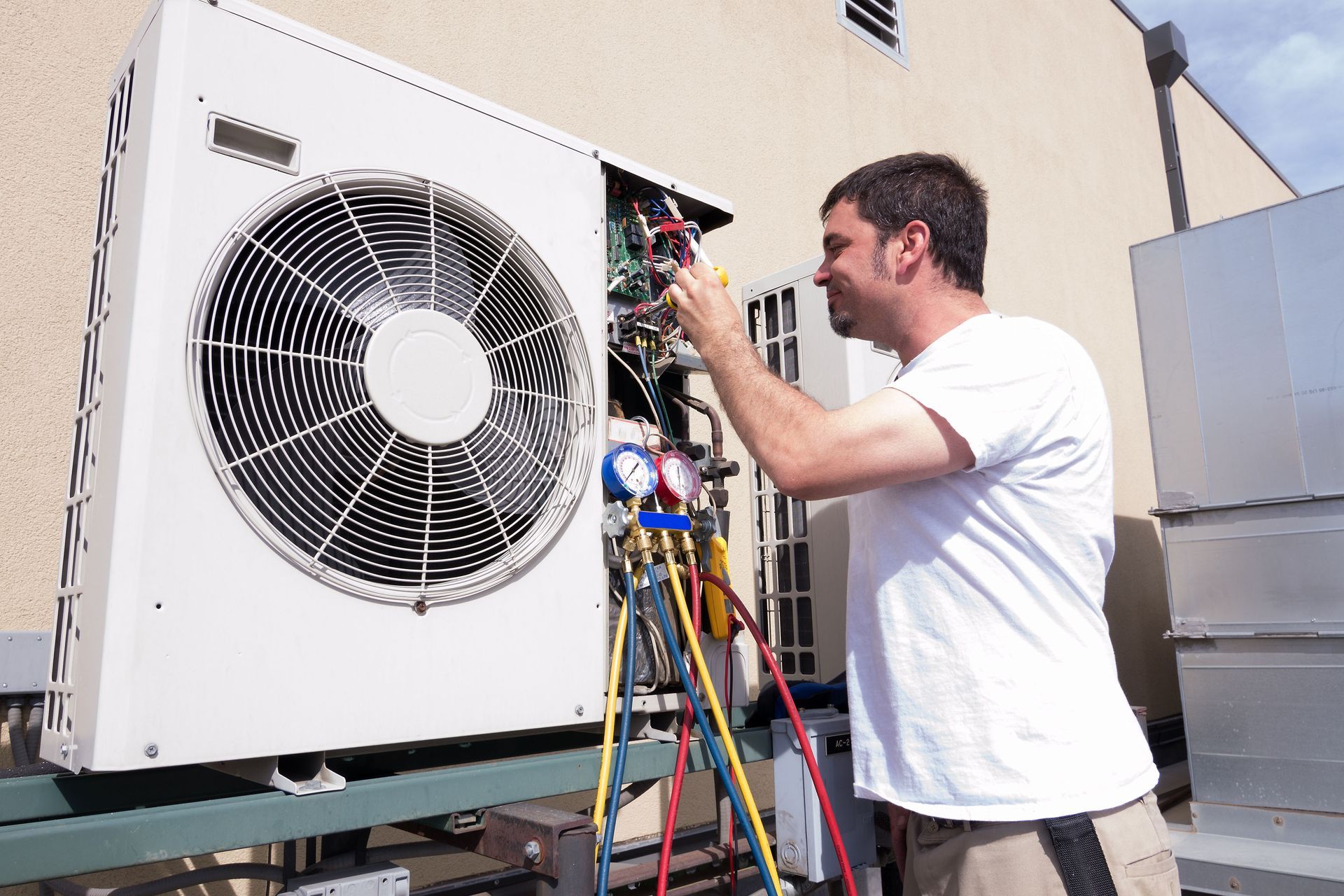
Initial IAQ evaluations are the first step that HVAC experts take to understand a building's air quality profile. These evaluations often involve a comprehensive inspection of the building's HVAC system, ventilation, and potential pollutant sources. During the assessment, experts may measure factors such as temperature, humidity, and pollutant concentrations to gauge indoor air conditions. Understanding the current state of IAQ helps experts develop targeted solutions that address specific issues unique to the building. Initial evaluations set the foundation for ongoing improvements and monitoring to ensure sustained air quality benefits.
Identifying Sources of Pollution
Identifying sources of pollution is a critical aspect of IAQ assessments conducted by HVAC experts. By pinpointing the origins of indoor pollutants, experts can develop effective strategies to eliminate or mitigate their impact. Common sources include inadequate ventilation, building materials, and everyday household or business products. By addressing these pollution sources, HVAC professionals can significantly reduce the levels of harmful contaminants in indoor air. A thorough understanding of pollution sources is essential for designing an effective IAQ improvement plan tailored to a building's needs. Be sure to reach out to Kafin HVAC today for more information on our professional HVAC services!