April 30, 2026
Reliable access to heating oils is essential for maintaining comfort and stability in any property that depends on oil-based heating systems. Whether you are managing a residential space or overseeing a larger property, running low on fuel can quickly turn into an urgent and stressful situation. The challenge is that oil levels are not always obvious at a glance, and many homeowners only realize they are running out when the system begins to fail.
Understanding the early warning signs that your supply is nearly depleted can help you avoid sudden interruptions, protect your equipment, and maintain a consistent indoor environment. By recognizing subtle changes in system performance and staying attentive to patterns, you can act before a shortage becomes an emergency.
Below are key indicators that your stored heating oils may be nearing empty, along with insights into why timely action is so important. Recognizing these signs early allows you to stay in control of your heating system rather than reacting to a sudden loss of heat. Many of these indicators begin as subtle changes that can easily be overlooked, but they often build over time into more noticeable performance issues.
Identifying Unusual Heating System Behavior
One of the earliest signs that your heating oils supply is running low is a noticeable shift in how your system operates. Heating systems are designed to run consistently when they have an adequate fuel supply. When that supply begins to dwindle, performance often becomes irregular.
You may notice that your home takes longer to reach the desired temperature or that the system cycles more frequently than usual. In some cases, the heat may feel weaker or unevenly distributed throughout the space. These subtle changes are often dismissed as normal fluctuations, but they can signal that the fuel reserve is no longer sufficient to support efficient operation.
Unusual noises may also develop. A system that once ran quietly might begin producing sounds that indicate strain or inconsistent combustion. These changes should never be ignored, as they often precede more significant disruptions.
Recognizing Fluctuating Indoor Temperatures
A stable indoor climate is one of the primary benefits of using heating oils. When your oil supply begins to run low, maintaining that stability becomes increasingly difficult. Temperature fluctuations can become more noticeable, even if the thermostat setting remains unchanged.
Rooms that were once consistently warm may start to feel cooler, while other areas may not receive adequate heat at all. This inconsistency is often caused by the system struggling to draw enough fuel to maintain steady output.
In colder seasons, even minor fluctuations can lead to discomfort and increased stress on your heating system. Paying attention to these changes can help you identify a potential shortage before it leads to a complete loss of heat.
Monitoring Changes in Fuel Gauge Readings
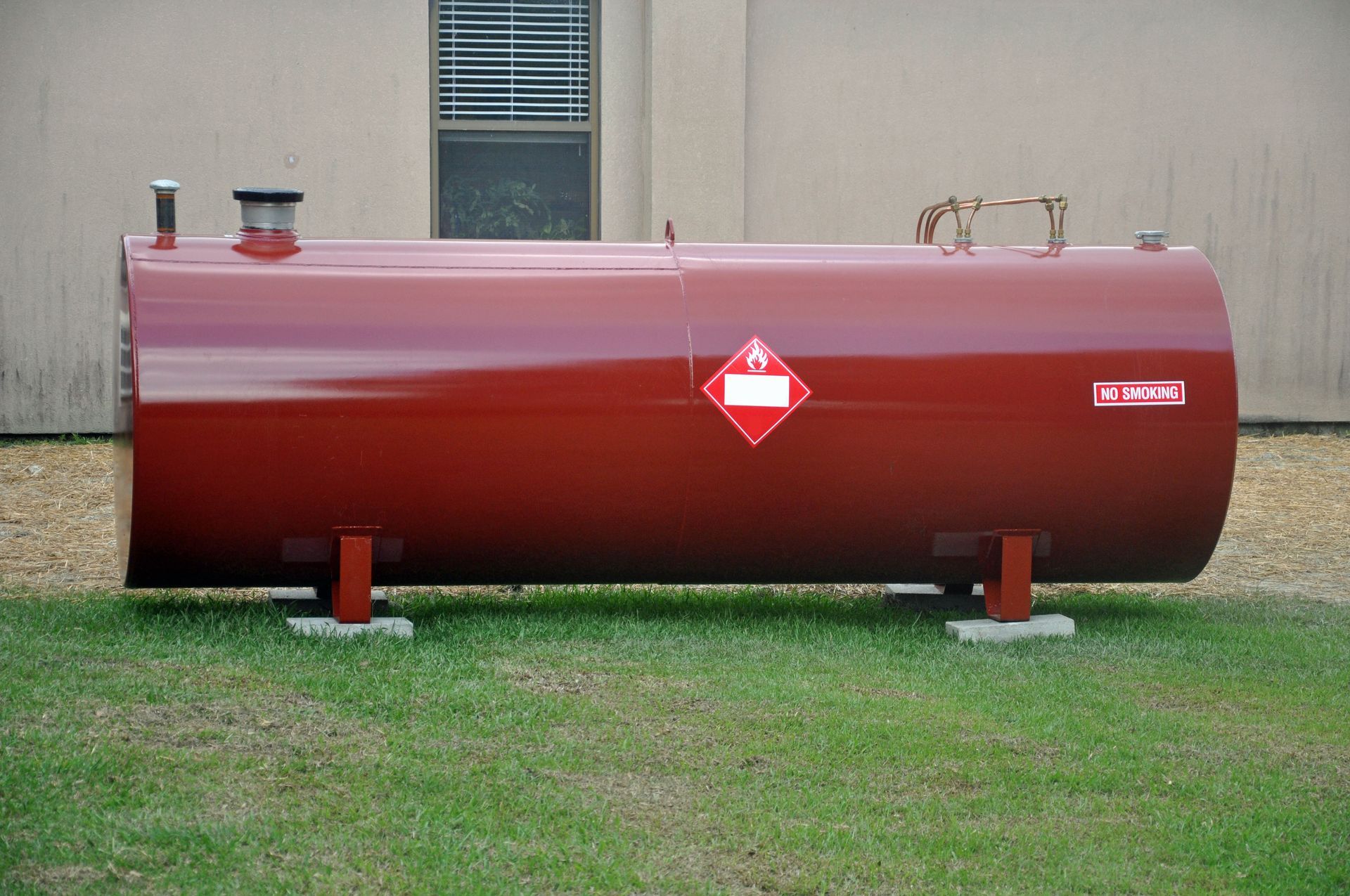
Fuel gauges provide a direct indication of how much heating oil remains in your tank, but they are often overlooked. Regularly checking your gauge can give you a clear understanding of your consumption patterns and help you anticipate when a refill will be needed.
A rapid decline in gauge readings may indicate higher-than-usual usage or a potential issue with the system. Conversely, if the gauge appears stuck or inaccurate, it could lead to a false sense of security. In either case, relying solely on occasional checks can increase the risk of running out unexpectedly.
Staying consistent with monitoring allows you to detect trends and respond proactively. It also helps ensure that your heating oils supply remains aligned with your household’s needs, especially during periods of increased demand.
Observing Increased System Strain
As heating oils levels drop, your system may begin to work harder to maintain the same level of performance. This added strain can manifest in several ways, including longer run times, reduced efficiency, and increased wear on components.
When a system struggles to draw fuel from a nearly empty tank, it may experience interruptions in combustion. This can lead to inefficiencies that not only affect comfort but also contribute to unnecessary stress on the equipment. Over time, this strain can increase the likelihood of malfunctions or breakdowns.
Addressing low fuel levels before they reach a critical point helps preserve the longevity of your system and reduces the risk of costly repairs. It also ensures that your heating oils are being used as efficiently as possible.
Detecting Unusual Odors or Air Changes
Another potential warning sign of low heating oils is the presence of unusual odors or changes in indoor air quality. While heating systems are designed to operate cleanly, a dwindling fuel supply can sometimes lead to incomplete combustion.
This may produce faint smells that were not present before or cause the air to feel less fresh. Although these changes may be subtle, they should not be ignored. They can indicate that the system is not functioning as intended due to insufficient fuel.
Maintaining a clean and stable air environment is essential for both comfort and health. If you notice any unusual odors or changes, it is important to investigate the cause and ensure that your heating oils supply is adequate.
Understanding Seasonal Demand and Usage Patterns
Heating oils consumption is closely tied to seasonal demand. During colder periods, usage naturally increases as systems work harder to maintain comfortable indoor temperatures. Without careful planning, this increased demand can lead to faster depletion of your stored oil.
According to the International Energy Agency, global oil demand was expected to rise significantly, with projections indicating growth of 830 kb/d in 2025 and 860 kb/d in 2026. This trend reflects broader consumption patterns and highlights the importance of staying prepared as demand continues to grow.
For individual households, this means being mindful of how seasonal changes affect usage. Tracking your consumption during colder months can help you anticipate when your heating oils supply may run low and ensure that you are prepared for increased demand.
Planning Ahead to Prevent Emergencies
Running out of heating oils is more than an inconvenience; it can quickly become an emergency, especially during colder weather. A lack of heat can affect not only comfort but also the overall functionality of your home.
Planning ahead is the most effective way to avoid these situations. By staying attentive to warning signs and maintaining a consistent schedule for monitoring your oil levels, you can ensure that your system remains operational when you need it most.
Professional support plays a critical role in this process. Rather than attempting to manage everything on your own, working with experienced providers ensures that your heating system is properly maintained and that your fuel supply is managed effectively. This approach minimizes risk and provides peace of mind.
Recognizing the warning signs that your heating oils supply is running low can make a significant difference in maintaining comfort and avoiding unexpected disruptions. From changes in system behavior to fluctuations in indoor temperature and fuel gauge readings, these indicators provide valuable insights into your heating system’s condition.
Staying proactive allows you to address potential issues before they escalate, ensuring that your home remains warm and your equipment continues to operate efficiently. With careful attention and professional support, you can navigate seasonal demands and maintain a reliable heating solution throughout the year.
If you want to stay ahead of potential fuel shortages and keep your heating system running smoothly, Kafin HVAC is here to help. We work closely with you to monitor your system, manage your heating oils supply, and ensure your home remains comfortable when it matters most.