May 27, 2026
Many homeowners rely on heating oil to stay warm. A maintained storage setup ensures your home remains comfortable when temperatures drop. Managing liquid fuel requires a consistent routine to prevent problems. Simple visual checks and proactive care are essential. Taking responsibility for your equipment ensures you won't face sudden breakdowns. It's a straightforward process once you learn the mechanics.
System upkeep is necessary for long-term safety. Homeowners must stay aware of their equipment condition to avoid unexpected disruptions. This guide covers the core practices needed for a secure environment. By following these steps, you protect your property and ensure efficient operation throughout the colder months. A little preparation goes a long way.
Monitoring Fuel Levels to Prevent System Strain
Monitor your heating oil tank gauge as a first line of defense against unexpected shutdowns. When the level drops low, the system struggles to pull in fuel, causing the pump to work harder. This extra effort leads to premature wear and mechanical failures. Check the gauge weekly during peak usage months. A quick glance saves you from costly replacements. Running the system dry forces air into the lines, requiring a technician to bleed the setup.
Allowing a container to run empty introduces debris into mechanical pathways. Sludge accumulates at the bottom of the vessel over the years. When the liquid volume gets low, the suction line draws this sediment directly into the filters. Clogged filters restrict flow and shut down the operation. Schedule a delivery when the gauge reaches the one-quarter mark. Keeping a solid buffer prevents sediment from entering internal burner components. You avoid replacing blocked nozzles by keeping the volume reasonable.
Maintaining an adequate supply helps manage market fluctuations. According to IEA.org, worldwide petroleum demand is forecast to increase by 860,000 barrels per day in 2026. Knowing these trends underscores the importance of filling your setup before the busy season begins. Staying ahead keeps your home warm without stressing the machinery or facing local shortages. Planning deliveries based on usage keeps your household running smoothly.
Inspecting the Storage Tank for Structural Integrity
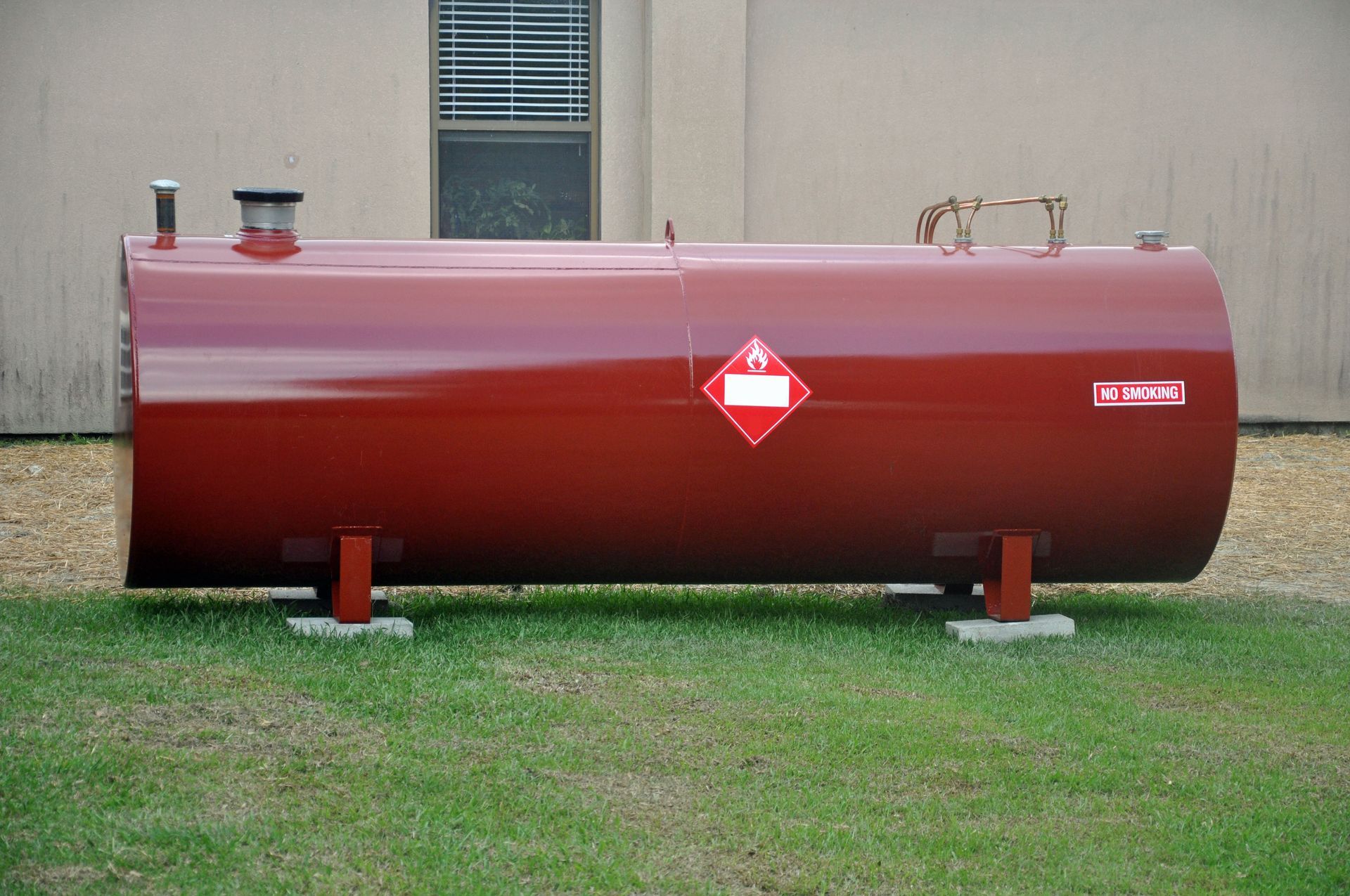
The physical container holding your heating oil requires regular visual examinations. Steel models are susceptible to internal rust caused by condensation. Moisture builds up in the empty space above the fuel and drips down the sides. Water settles at the bottom and corrodes the metal from the inside out. Spotting this degradation early prevents leaks. A failing container causes environmental damage and results in cleanup costs. You can't ignore the physical condition of the vessel.
Look for external signs of wear at least once a month. Blistering paint or dark weeping spots on the underside indicate internal corrosion. A small wet patch often precedes a larger breach. If you see signs of rust, call a professional for an evaluation immediately. Catching a problem early saves you from dealing with a hazardous spill. Running your hand along the bottom helps you feel for dampness that might not be visible.
The legs and foundation supporting the container also demand attention. A full vessel weighs hundreds of pounds, placing pressure on its supports. If the concrete pad cracks, the container can tilt, placing stress on connected pipes and fittings. Ensuring a solid base prevents structural failures. Pay close attention to the fill and vent pipes attached outside your home. These exterior pipes must remain tightly sealed to prevent rainwater intrusion. Missing caps let moisture accelerate internal corrosion.
Scheduling Professional Maintenance for Maximum Safety
While DIY checks are helpful, nothing replaces an annual tune-up by a certified technician. These experts evaluate the inner workings of your system. They clean the burner mechanism, replace clogged filters, and test safety controls. A maintained setup burns heating oil efficiently and cleanly. Attempting to service the burner yourself can be a major safety risk. Professionals possess diagnostic equipment to spot issues invisible to the naked eye. Making this a yearly priority extends the lifespan of mechanical parts.
Technicians conduct efficiency tests to measure how well the equipment converts fuel into warmth. They analyze exhaust gases to ensure the burner has the correct air-to-fuel ratio. An improper mixture leads to incomplete combustion and soot production. Soot accumulation reduces efficiency and poses a fire hazard within the chimney. Regular tuning keeps the system running cleanly and lowers utility bills. The technician adjusts the draft and fuel pump pressure to hit optimal performance targets.
A professional visit also includes inspecting fuel lines and automated safety mechanisms. The copper tubing connecting the container to the burner must remain intact and free of kinks. A technician checks these lines for leaks and ensures they are protected from physical damage. They also check the limit switches and cad cells to verify they function properly. These safety devices shut down the burner if they detect a malfunction. Functional fail-safes protect your property. Annual inspections give you peace of mind.
Clearing the Surrounding Area to Ensure Ventilation
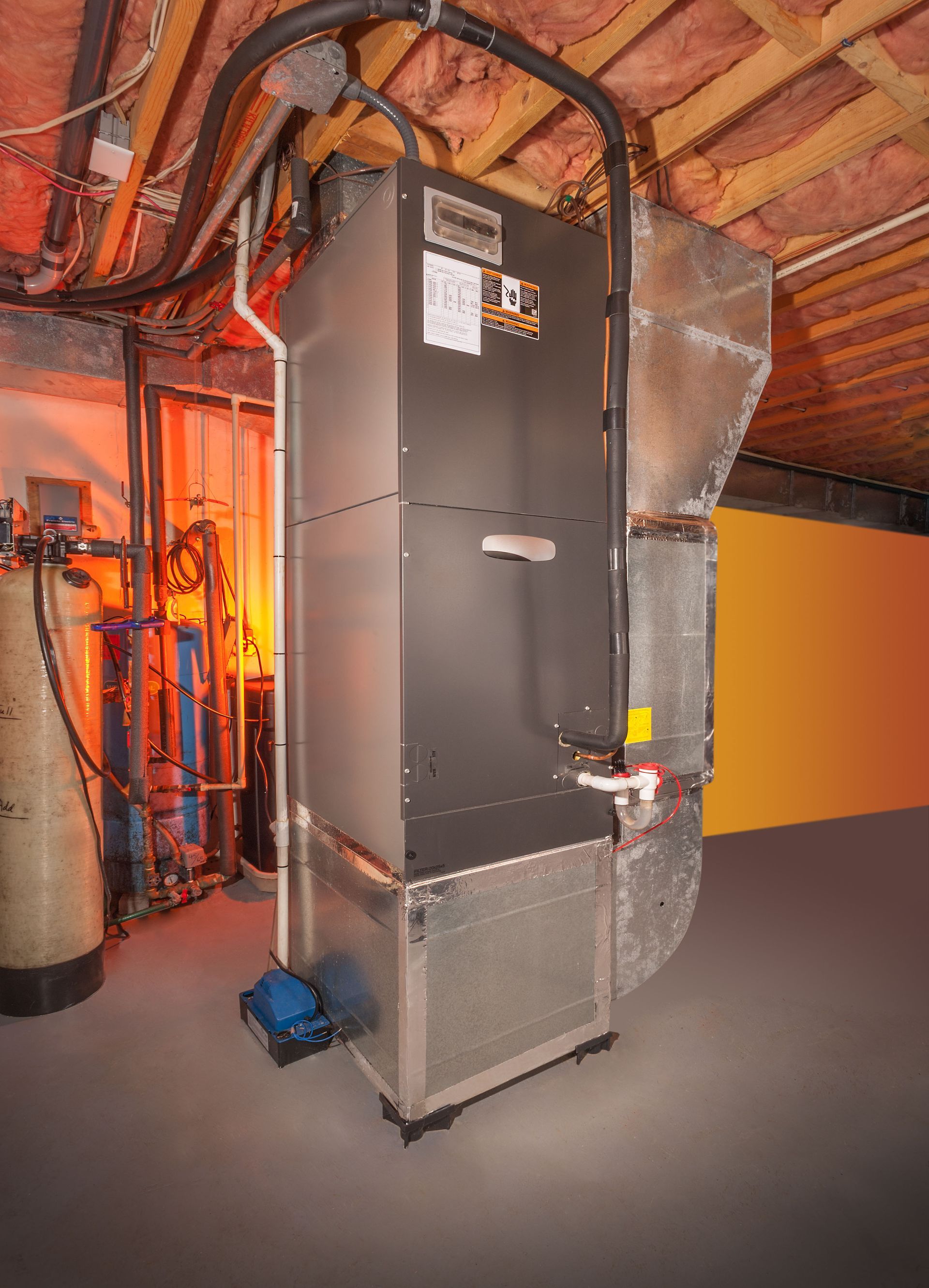
Maintaining a clear zone around your heating oil equipment is a fundamental safety practice. The burner requires a steady supply of fresh air for proper combustion. Storing boxes or furniture too close to the unit restricts this airflow. Poor ventilation causes the system to run inefficiently and can lead to carbon monoxide buildup. Leave at least three feet of space around the setup. This room is essential for the burner to pull in oxygen.
Keep flammable materials far away from the burner and storage container. Items like paint, cleaning solvents, and old clothing pose a fire risk near a heat source. The area must remain tidy and dedicated solely to the mechanical equipment. Dust and pet hair can interfere with the system if the basement is cluttered. Accumulated dust gets drawn into the air intake and clogs components. Sweeping the floor and organizing the room minimizes particulate matter.
Outdoor tanks require similar attention regarding clearance and environmental protection. Shrubs and tall grass trap moisture against the metal surface, accelerating the rusting process. Trim back vegetation to allow sunlight and wind to keep the exterior dry. Ensure the path to the fill pipe is clear of snow and ice during cold weather. The delivery driver needs safe access to refill the container without slipping. Clearing leaves, branches, and snow away from the exterior keeps everything accessible and structurally sound.
Managing your home climate setup effectively requires diligence and routine observation. By monitoring gauges, inspecting physical components, and arranging annual tune-ups, you mitigate potential risks before they escalate. Keeping the surrounding space clean ensures the equipment has the necessary airflow to function correctly. A proactive approach transforms a complex heating oil system into a reliable source of warmth. Staying on top of these tasks prevents emergencies and costly repair bills during the coldest weeks.
Staying informed about your equipment condition protects your financial investment over the long term. Simple weekly habits prevent minor issues from turning into major repairs. Combining personal vigilance with professional expertise creates a secure environment for your household. You can face cold temperatures with confidence, knowing your setup is prepared for the season. Consistency remains the most effective tool you have for maintaining a safe and efficient home heating strategy.
Keep your heating oil equipment running safely by scheduling a professional tune-up with Kafin HVAC. Contact our team today to keep your home warm and secure.