March 10, 2026
Selecting the right local HVAC company plays a major role in maintaining year-round comfort inside your home. Heating and cooling systems directly affect temperature consistency, energy usage, and overall livability. When properly installed and maintained, these systems operate efficiently and support dependable indoor comfort during seasonal shifts.
According to This Old House, nearly 90% of American households have air conditioning. Alaska has the fewest households with air conditioning, at only 7%. These figures highlight how central cooling systems have become to modern home comfort across most regions of the country.
Because heating and cooling equipment represents a significant investment, homeowners benefit from understanding their options before committing to installation or replacement. From oil heating systems to central air conditioning and ductless solutions, each setup serves a different purpose depending on the home's layout, infrastructure, and climate demands. Careful evaluation ensures the system chosen aligns with both comfort expectations and practical needs.
Taking time to review available system types and installation considerations can prevent unnecessary adjustments later. A thoughtful approach helps homeowners feel confident that their heating and cooling setup fits both their property and long-term goals.
This guide outlines common residential HVAC system types and important considerations to help homeowners make informed decisions.
Understanding Different Types of HVAC Systems
Central Air Conditioning
Central air conditioning systems are widely used in homes with existing ductwork. These systems distribute cooled air throughout the house using a network of ducts and vents, helping maintain consistent indoor temperatures across multiple rooms.
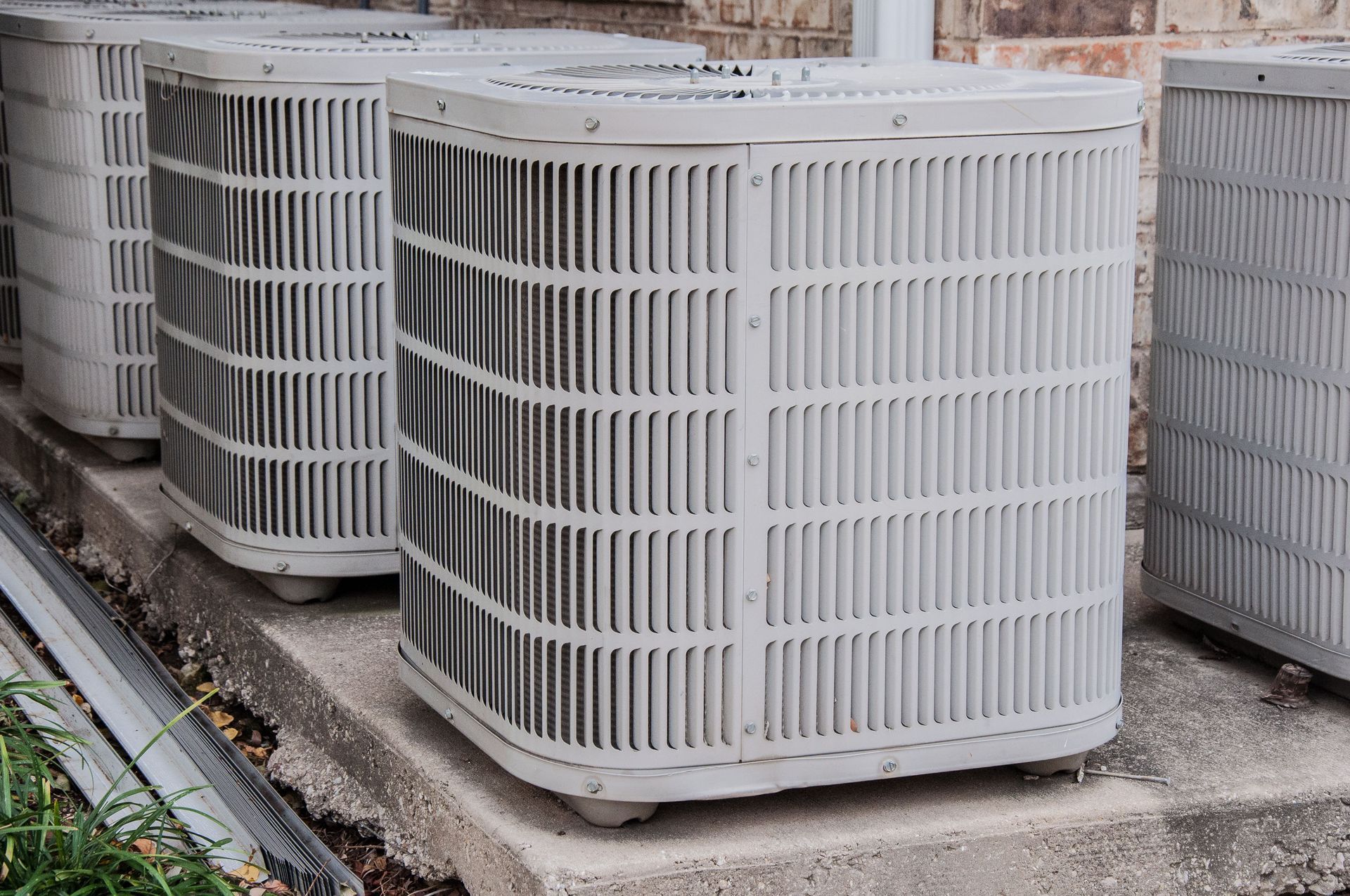
A central AC system typically includes an outdoor condenser unit and an indoor evaporator coil connected to the home's air distribution system. When properly installed and maintained, central air conditioning provides consistent cooling performance during warmer months. Homes with existing ductwork often find this to be a practical and effective solution for whole-house cooling.
Because central systems cool the entire home through a unified setup, they can create a more seamless indoor environment compared to window units or portable equipment. Air is circulated evenly, helping reduce noticeable temperature differences between rooms when the duct system is functioning properly.
When evaluating central air, it is important to consider the condition of ductwork, system size, and overall layout of the home to ensure balanced airflow and steady performance.
Homeowners may also consider how frequently the system will run during peak summer months, as usage patterns can influence long-term operating expectations. A properly matched system contributes to consistent indoor comfort without unnecessary strain.
Ductless Mini-Split Systems
Ductless mini-split systems offer a flexible alternative for homes without existing ductwork or for areas where extending ducts may not be practical. These systems consist of an outdoor unit connected to one or more indoor air handlers installed directly in specific rooms or zones.
Because each indoor unit operates independently, ductless systems allow for targeted temperature control in different areas of the home. This can be especially useful for additions, finished basements, or rooms that experience uneven heating or cooling.
This zoned approach allows homeowners to adjust comfort levels based on how different spaces are used throughout the day. Rooms that are occupied more often can receive focused conditioning, while less frequently used areas can be adjusted accordingly.
Heat Pumps
These pumps provide both heating and cooling by transferring heat between indoor and outdoor air. Instead of generating heat directly, these systems move existing heat, which can make them an efficient option for moderate climates.
During warmer months, a heat pump functions similarly to an air conditioner by removing heat from inside the home. In cooler weather, it reverses operation to bring heat indoors. When properly sized and installed, heat pumps can provide steady comfort across changing seasons.
Because a single system handles both temperature extremes, homeowners may appreciate the simplicity of managing one piece of equipment throughout the year. This streamlined setup can reduce the need for separate heating and cooling units. A local HVAC company can help with this.
Oil Heating Systems
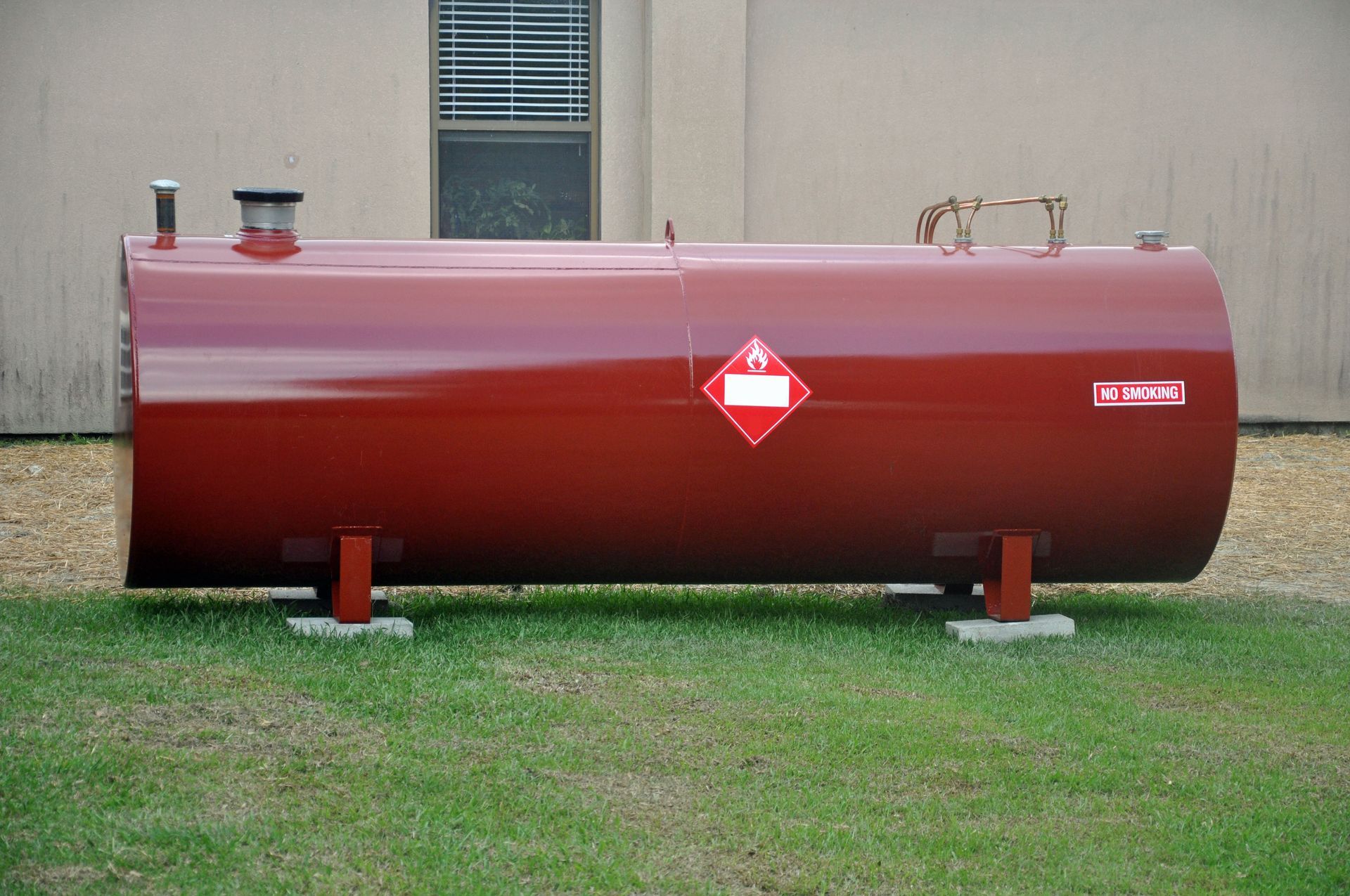
These systems remain a dependable solution for homes in colder regions. Furnaces, boilers, radiators, and baseboard heating systems powered by heating oil are designed to deliver consistent warmth throughout the winter months.
For many households, oil heat provides steady heating performance during extended cold periods. Proper installation, regular service, and fuel delivery are all essential components of maintaining consistent operation.
Oil-based systems are often integrated into existing home infrastructure, particularly in areas where oil heat has long been used. In these settings, replacement or upgrades may focus on improving efficiency while preserving the existing heating layout.
Assessing Your Home’s Specific Needs
Size and Layout of the Home
As any local HVAC company will tell you, your home's size and layout significantly influence system selection. Larger homes may require systems with greater capacity to maintain even temperatures across multiple rooms or levels. Smaller homes benefit from properly scaled systems that avoid excessive energy use.
Accurate evaluation of square footage, room configuration, insulation, and usage patterns helps ensure that the selected system can meet demand without overworking. Proper sizing supports balanced comfort and steady performance over time.
Open floor plans, ceiling height, window placement, and sun exposure can all affect how air moves within a home. Considering these factors contributes to a more complete understanding of heating and cooling requirements.
Climate Considerations
Regional climate conditions directly impact heating and cooling needs. In colder areas, dependable heating performance becomes especially important during winter months. Seasonal cooling demands may vary depending on summer temperatures and humidity levels.
Understanding how often heating and cooling systems will operate throughout the year helps homeowners choose equipment suited to their environment. Selecting systems that align with climate patterns contributes to steady comfort and practical energy use.
Homes in regions with distinct seasonal shifts may require equipment capable of handling extended heating periods followed by months of cooling demand. Factoring in these cycles can help ensure that equipment is suited to year-round conditions.
Existing Ductwork or Infrastructure
Talk to any local HVAC company, and they'll tell you that the condition of existing ductwork plays an important role in HVAC planning. Well-maintained ducts support consistent airflow and even temperature distribution. However, older or damaged duct systems may reduce efficiency or create uneven heating and cooling.
If ductwork is limited or impractical to modify, ductless mini-split systems may offer a suitable alternative. A local HVAC company can evaluate the current infrastructure so that the selected system integrates effectively with the home's layout.
In some cases, adjustments to airflow pathways or minor duct improvements may enhance overall system performance. A clear understanding of the home's existing setup helps guide practical decisions.
Energy Efficiency and Operating Considerations
Energy efficiency remains an important factor when comparing HVAC options. Cooling systems are often rated using SEER (Seasonal Energy Efficiency Ratio), which measures how efficiently a system operates over a typical cooling season. Higher ratings generally indicate improved efficiency.
When evaluating equipment, homeowners should weigh upfront investment against long-term operating expectations. Choosing appropriately sized, professionally installed systems helps support steady performance and reasonable energy use without unnecessary strain on equipment.
It can also be helpful to consider how daily habits, thermostat settings, and routine upkeep contribute to overall system operation. Even small adjustments in usage patterns may influence performance and seasonal energy consumption. Remember, if it seems too complicated, a local HVAC company can help.
Maintenance and Long-Term Performance
Regardless of the system type selected, routine maintenance plays a key role in preserving performance. Regular inspections, timely repairs, and seasonal servicing help extend equipment lifespan and maintain consistent operation.
For homeowners in looking for a local HVAC company, Kafin HVAC offers heating oil delivery, oil heating services, central air conditioning installation and repair, ductless mini-split systems, heat pump services, and ductwork solutions designed to support long-term performance. If you're exploring your options or planning your next upgrade, learn more about how Kafin HVAC can help you create a well-balanced home comfort system.